Selected work · Systems engineering · Bengaluru

Software for machines that have to be right.

I'm Aatish. I wrote a production RIP in C, designed a spectrophotometer, reverse-engineered an undocumented printer protocol, and built the Go systems that run a working print studio. Below is what each one is, what it solved and how far it has got, said plainly.

Taking on selected work · I reply within two working days

Mid-job on the TX2 Mimaki TX2 · Lumi studio
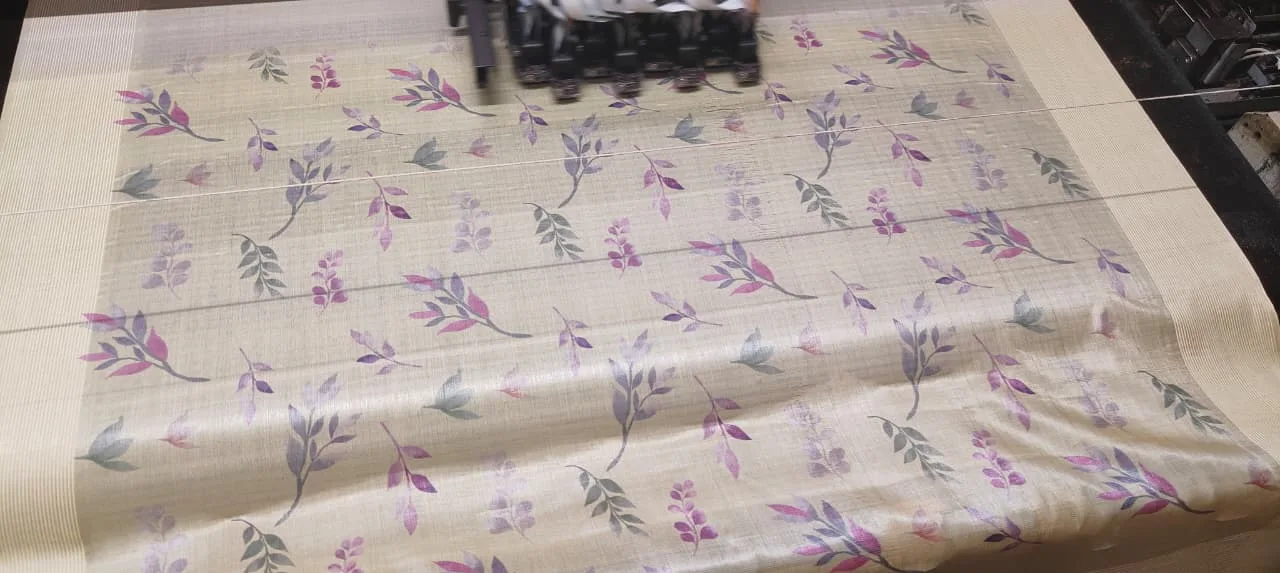
The Mimaki TX2 print head crossing a length of cream fabric, mid-job, with a floral repeat already printed behind it
Mid-job on the TX2. The head crossing the fabric at the Lumi studio, a floral repeat printed from Lumi Pro behind it.
  • 98 s → 1.7 sto RIP a 1.6 m × 3 m, 8-ink job after profiling and fixing the pipeline; output byte-identical
  • 8real ink channels: C, M, Y, K, Blue, Red, Orange, Grey
  • 3 GB+BigTIFF artwork processed out of core
  • 500+automated end-to-end checks that run against a simulated printer
Printed from Lumi Pro

From the print room, not a render.

Photographs of real prints made from the Lumi app on our Mimaki TX2.

The result Printed on the TX2
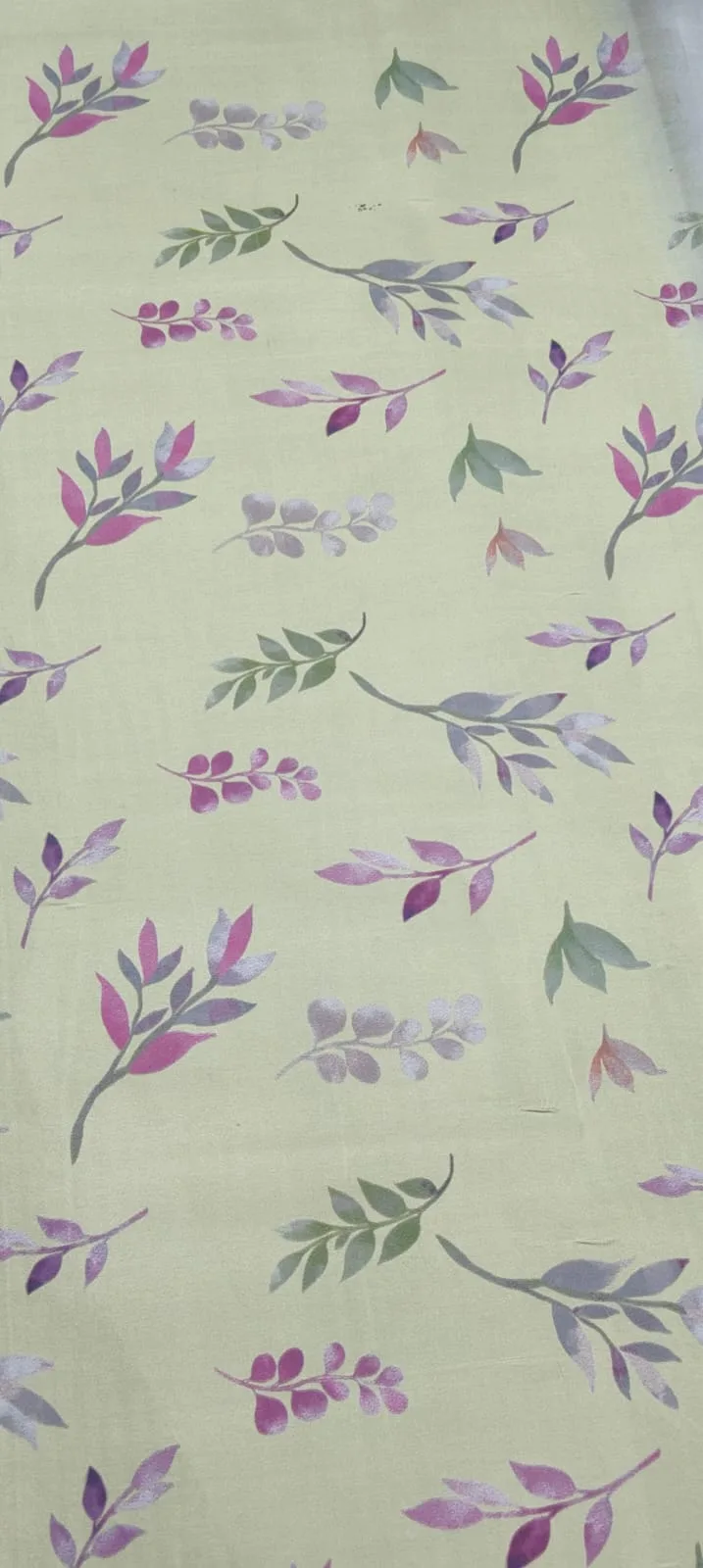
Close-up of finished fabric printed with a repeat of pink, purple and green leaf sprigs on a pale yellow ground
The result. A floral repeat, printed from Lumi Pro on the TX2.
The test chart RGB chart · 360 dpi
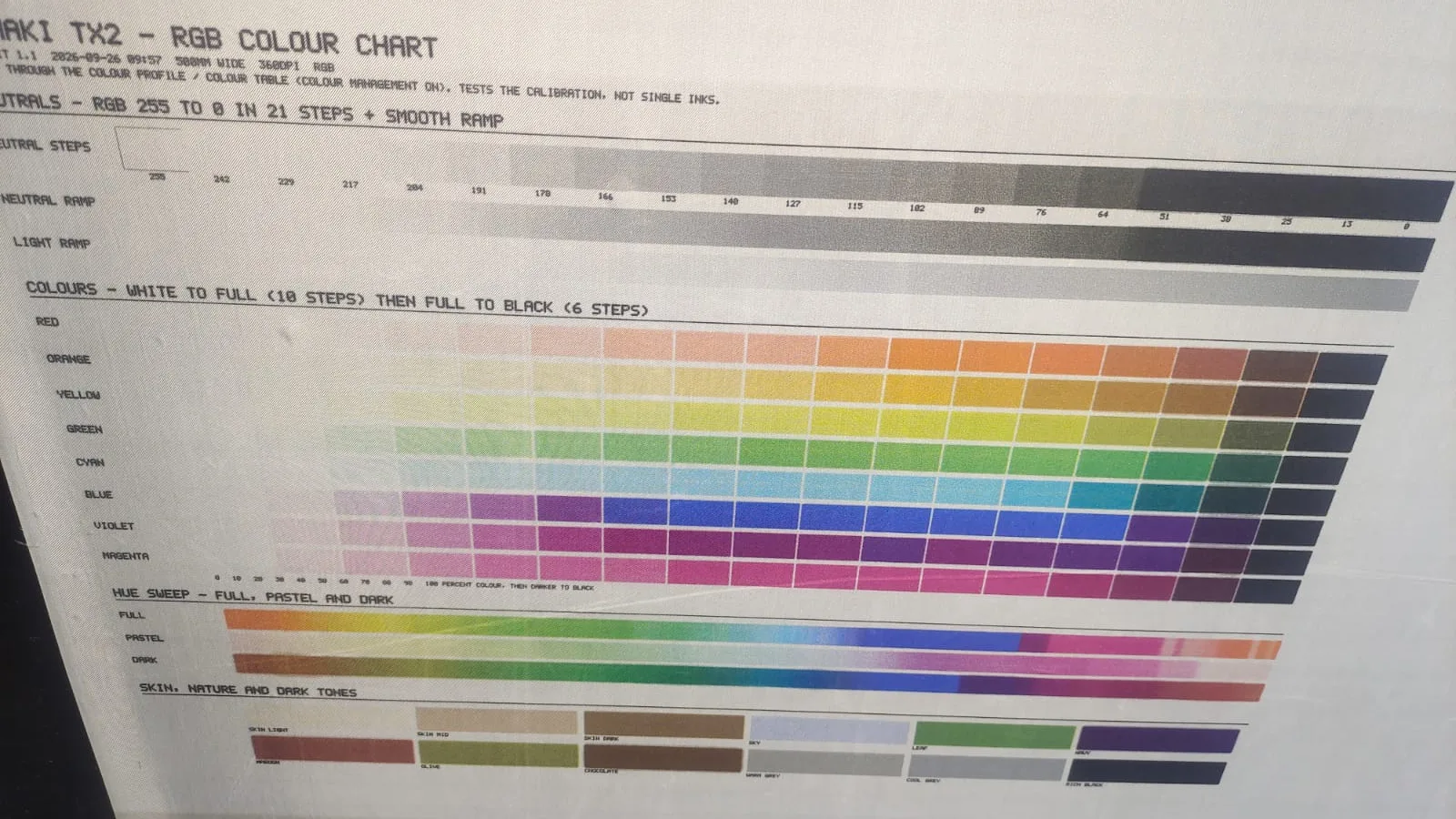
A printed colour chart with neutral ramps, colour patches from white to black, a hue sweep and skin, nature and dark tones
The test chart. The RGB colour chart Lumi prints through the colour table to check calibration on cloth: neutral ramps, colour steps, a hue sweep and skin tones.
How a print job flows through Lumi Pro
  1. 01
    Artwork
  2. 02
    ICC + ink limit
  3. 03
    8-channel split
  4. 04
    Screening
  5. 05
    Pre-flight
  6. 06
    Printer
Selected systems

Eight things I built, and where each one stands.

Each card says what problem it solved, what I built, and whether it is proven in production, built and tested, or still a prototype.

Lumi Pro architecture diagram Inside the native Windows host, the C RIP Engine connects through an in-process JSON bridge to the WebView2 UI. A separate HTTPS path connects the host to the Go account server for sign-in and Ed25519 licences, which are checked on the PC without a network call. WINDOWS HOST · NATIVE PROCESS C RIP Engine 8-ink · BigTIFF IEEE 1394 · TCP/IP calls JSON Bridge Native Win32 host Queue · status In-process bridge JSON WebView2 UI Operator studio Presets · pre-flight Native window Separate path · HTTPS Sign-in · licence Go Account Server EXTERNAL SERVICE Device-code sign-in · Ed25519 licences · SQLite Licence checked on the PC, offline
Native software
Production-proven on the Mimaki TX2

Lumi Pro: a textile RIP, written end to end in C

The problem

Print shops need artwork turned into exact ink data for a roll printer, and one wrong byte wastes fabric.

What I built

A RIP that separates artwork into eight real ink channels, screens it, verifies it before and after processing and streams it to the printer. A native Windows host with a web-technology interface. It runs production jobs on the Mimaki TX2; other printer models are in validation.

Backend
Built and tested, not yet deployed

Accounts and licensing server

The problem

Paid desktop software needs licences that work offline and cannot be copied between PCs.

What I built

Device-code sign-in and Ed25519-signed licences bound to a machine fingerprint, verified on the PC without a network call. Revocation, expiry and a clock-tamper check are included.

Embedded and hardware
Working prototype

A 3D-printed 45°/0° spectrophotometer

The problem

Profiling a printer normally needs an expensive commercial instrument.

What I built

An 18-channel spectral sensor on an ESP32 in a printed optical housing, designed to read reflectance off printed textile patches.

Reverse engineering
Production-proven on the Mimaki TX2

Undocumented printer protocols, decoded

The problem

The printer vendor does not publish how the machine accepts data.

What I built

Recovered the data format and transport for the TX2 over IEEE 1394 and built a clean output path around it, plus Model Context Protocol servers that let engineers and AI agents inspect binaries in a controlled way.

Backend
Internal system

Studio operations in Go

The problem

A working print studio needs orders, stages, QC and GST invoices in one place.

What I built

Customer accounts with OTP login, live order tracking over WebSockets, job-stage and QC tracking, and invoice generation.

Web
Live demo on this site

Saree Designer

The problem

A customer cannot picture a custom saree before it is printed.

What I built

An in-browser designer: pick a zari style or upload artwork, choose colours and border width, and preview it draped on silk.

Developer tooling
Working prototype

sicheck: a checker for chip-design constraints

The problem

Mistakes in timing constraints pass silently through open-source chip flows and cost a tape-out.

What I built

A deterministic auditor for SDC timing files with a rule catalogue, each rule checked against OpenSTA behaviour on a real RISC-V core (Ibex) before it was written down. Version 0.1.

Source code and vendor-specific protocol details are not published. Screens and a short demo are available on request.

How I work

Scoped build

A fixed brief, a plan, and working software delivered in stages you can run and judge.

Embedded engineer

Part-time or full-time inside your team on systems work, with a clear weekly rhythm.

Audit & rescue

A fast, written assessment of a codebase or device that is failing, with a prioritised fix list.

Stack: C · Go · TypeScript · React · Python · Kotlin · ESP32 · SQLite · GCP · Caddy · Cloudflare. I never change a production machine without a backup and your written OK.

Start a project

Have a hard systems problem?

Tell me what you are building and what is in the way. I read every brief myself and reply within two working days.

Email directly WhatsApp